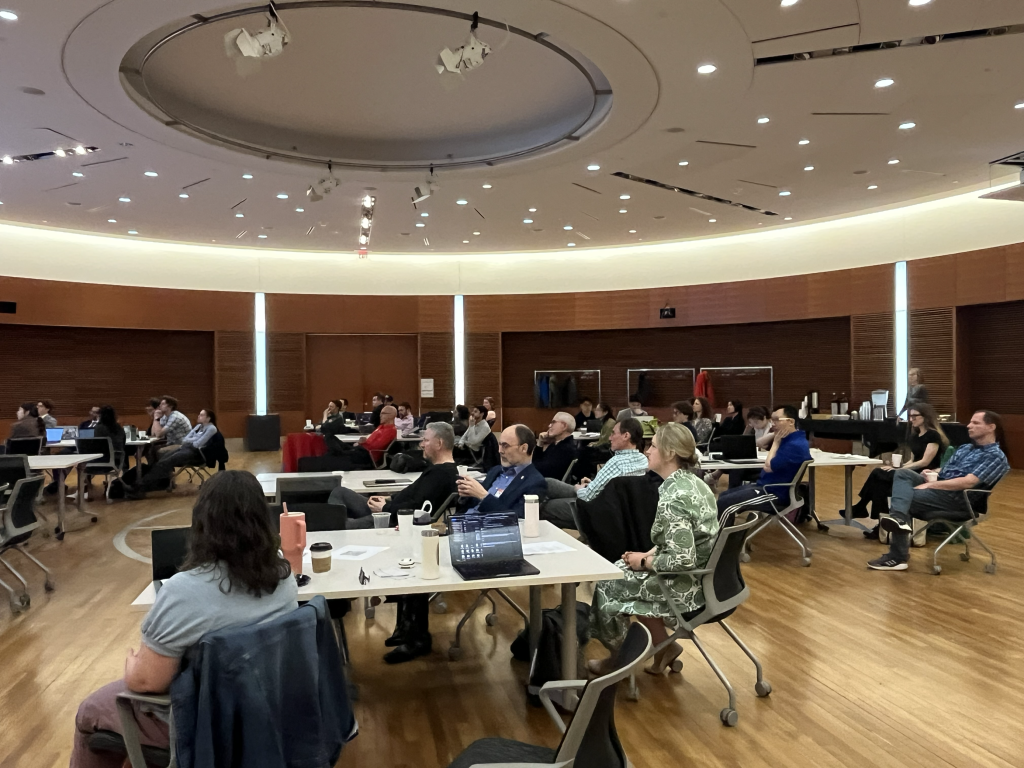
Tuesday, March 24, 2026
H.F. DeLuca Forum, Discovery Building – UW-Madison
8:30 a.m. – 4:30 p.m.
Join us for a full day of learning as we explore new research in robotics and how these technologies are shaping the future of work.
2026 INTEGRATE Symposium Schedule
8:30 AM Registration and Continental Breakfast
9:00 AM Welcome – Bilge Mutlu
9:05 AM Lightning Talks
-
-
-
- Construction Robots
- Comfort Team
- Water Delivery Team
- Wei Wang
- Vinita Jansari
-
-
10:00 AM Keynote – Brandt Berghuis, Assistant Professor of Crop Science at the University of Wisconsin – River Falls
10:45 AM Networking Break
11:00 AM Poster Session
12:00 PM Lunch & Discussion
1:15 PM Panel Discussion: Robotics in the Field
2:00 PM Lightning Talks
-
-
-
- Mike Hagenow
- Will Townsend
- Christian Vogler
- Rob Spenceley
- Chris Xinyao Cai
-
-
3:00 PM Networking Break
3:15 PM Panel Discussion: Careers in Robotics
4:15 PM Closing Remarks – Bilge Mutlu
Keynote Speaker
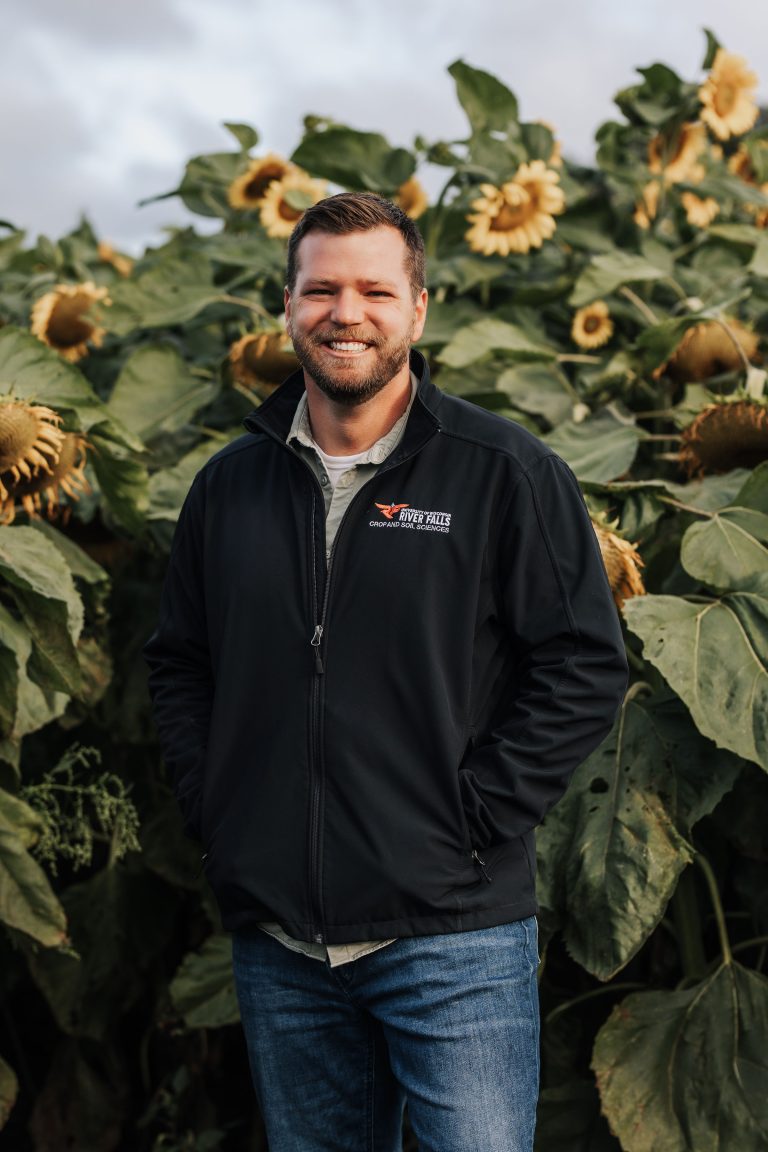
Dr. Brandt Berghuis is an Assistant Professor of Crop Science at the University of Wisconsin-River Falls (UWRF). Dr. Berghuis received his Ph.D. in Plant Pathology from North Dakota State University in 2021 and was a Fulbright Scholar at Kiel University (CAU) in Kiel, Germany. His research is primarily field-based and focuses on the identification and utilization of genetic material in order to better manage plant diseases of economically important pathogens. He has a passion for teaching and teaches an array of classes at UWRF in the area of plant science and crop protection. Hobbies include coaching track and field, camping, traveling, and taking care of pets his wife has rescued.
Integrating Aerial Drone Technologies in Crop Research Trials to Help Identify Novel Sources of Genetic Resistance in Sunflower
Sunflower rust caused by the fungal pathogen Puccinia helianthi, is the most economically significant foliar disease of sunflower. One of the most effective and environmentally friendly options to manage this disease is by incorporating sources of genetic resistance. However, due to the pathogens’ ability to diversify in nature (recombination), many resistance genes have been rendered ineffective. To identify new novel sources of resistance, large scale field trials evaluating international genetics have been established at the University of Wisconsin-River Falls. Utilizing drone technology, large scale field trials are inoculated with plant pathogen material to be used for plant evaluations. Additionally, aerial imaging with drones using artificial intelligence has been a helpful tool for international breeders for updates on plant establishment, growth, flower development, and more. Although limitations exist, the use of aerial drone technology has been a valuable tool in the success of field research trials.
Panel Participants
Robotics in the Field
Moderator: Vinita Jansari, Research Assistant Professor, Department of Automotive Engineering, Clemson University
Panelists:
- Chembian Parthiban, J&J
- Matt Adamczyk, Title Town Tech
- Andrew Pether, Universal Robots
- Pallabi Blowmick, University of IL Urbana-Champaign
Careers in Robotics
Moderator: Mike Hagenow, Assistant Professor, Department of Computer Science, UW-Madison
Panelists:
- Jessica Yin, Nvidia
- Bhavya Goyal, Amazon Robotics
- Nathan White, Intrinsic
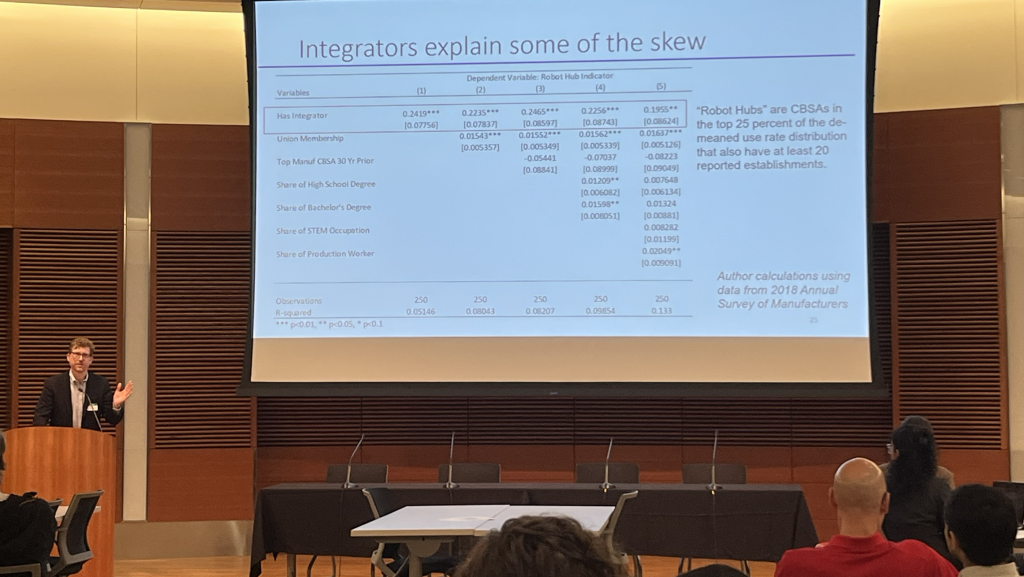
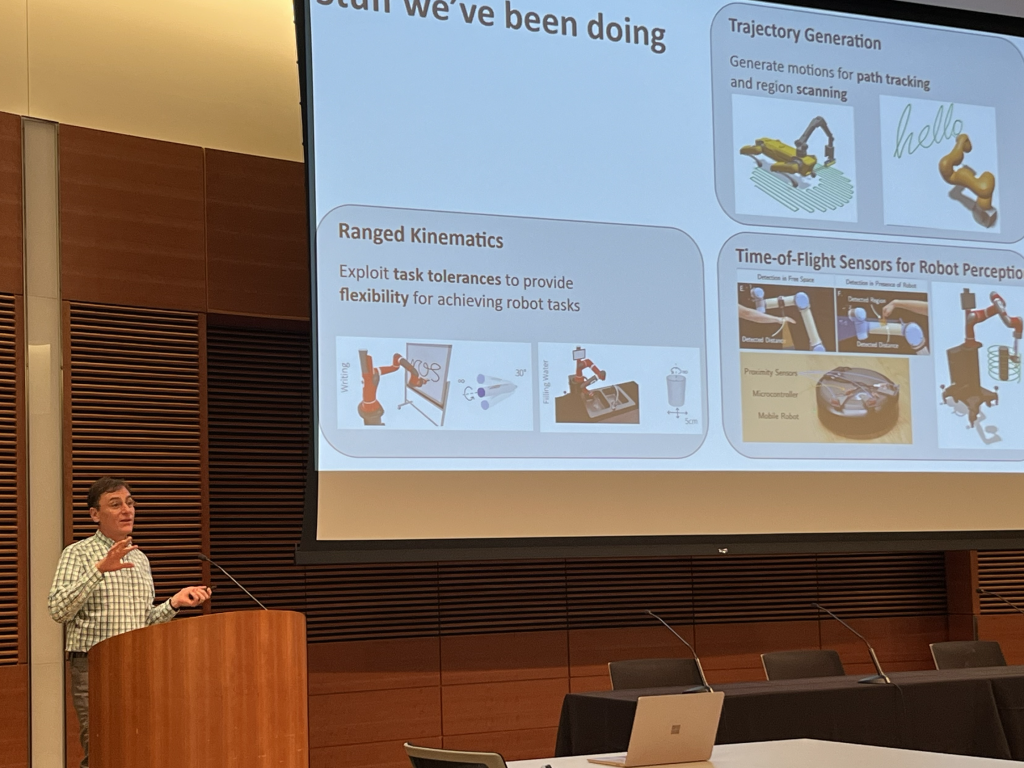
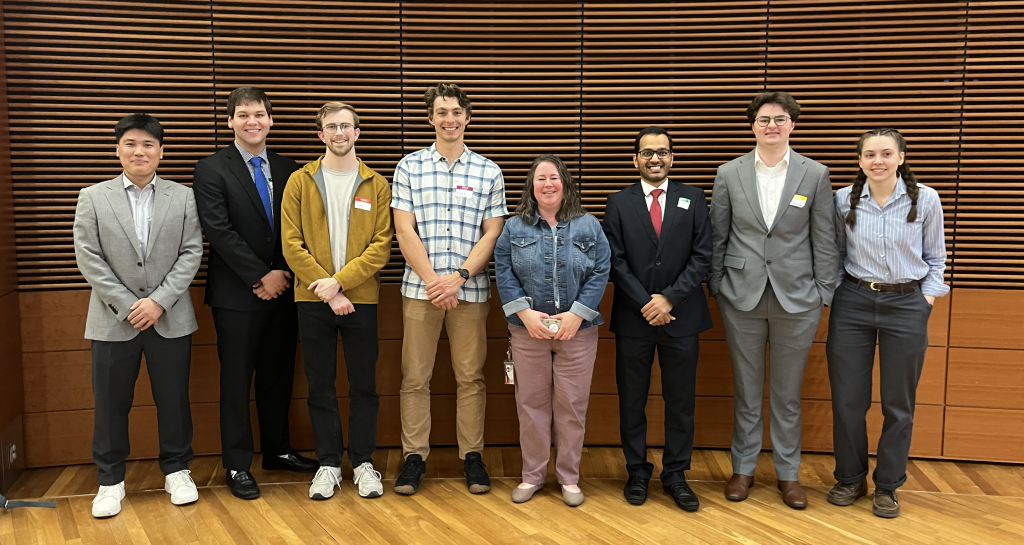
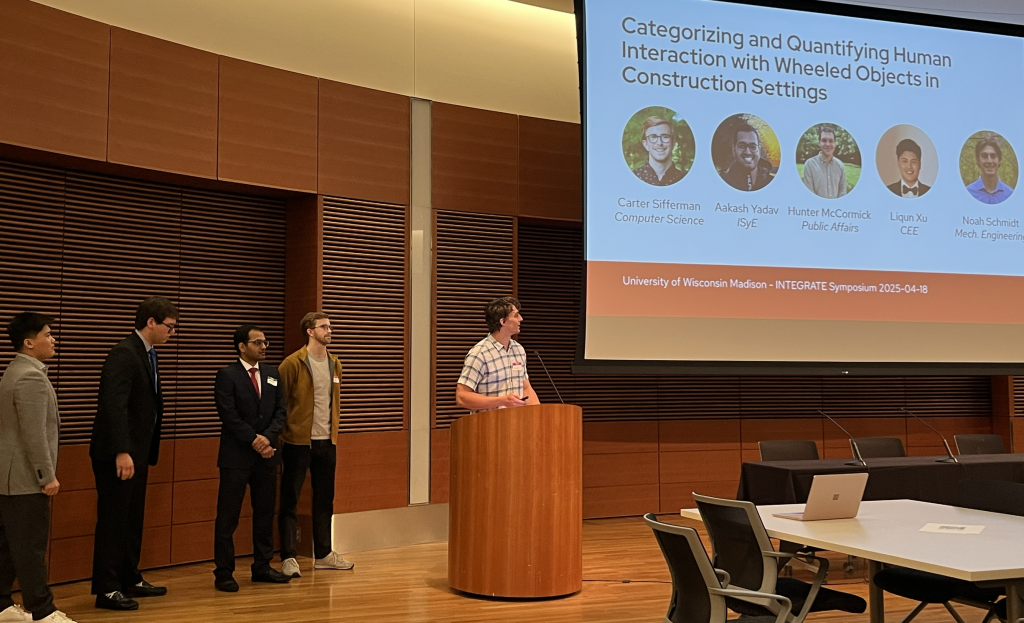
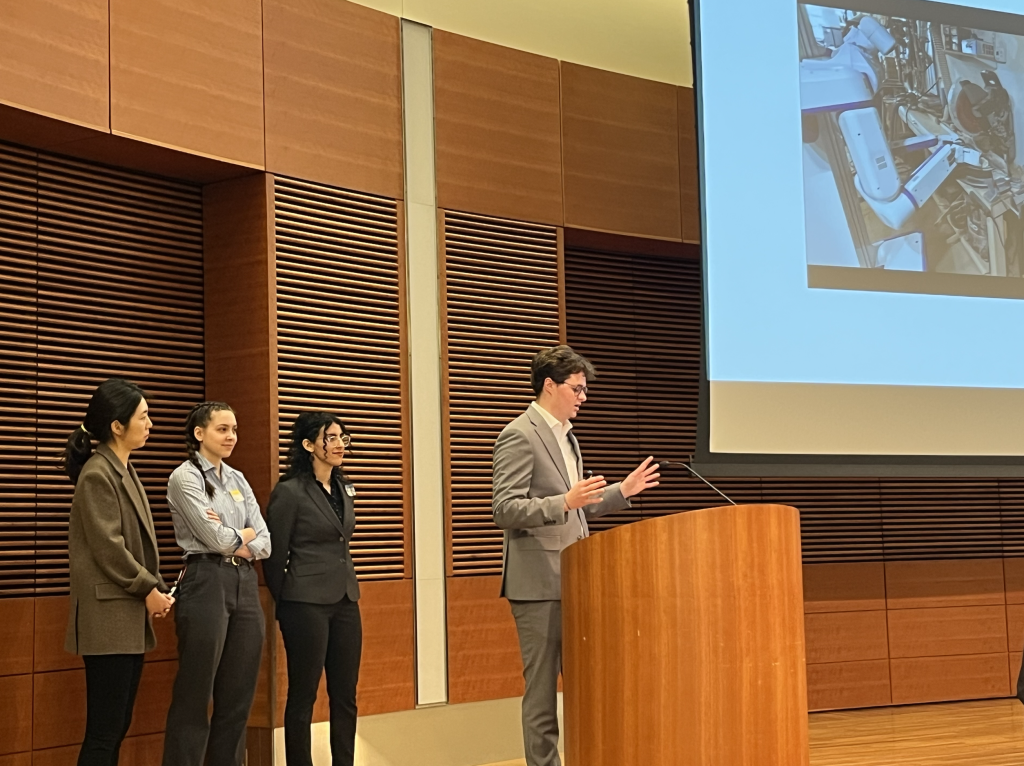
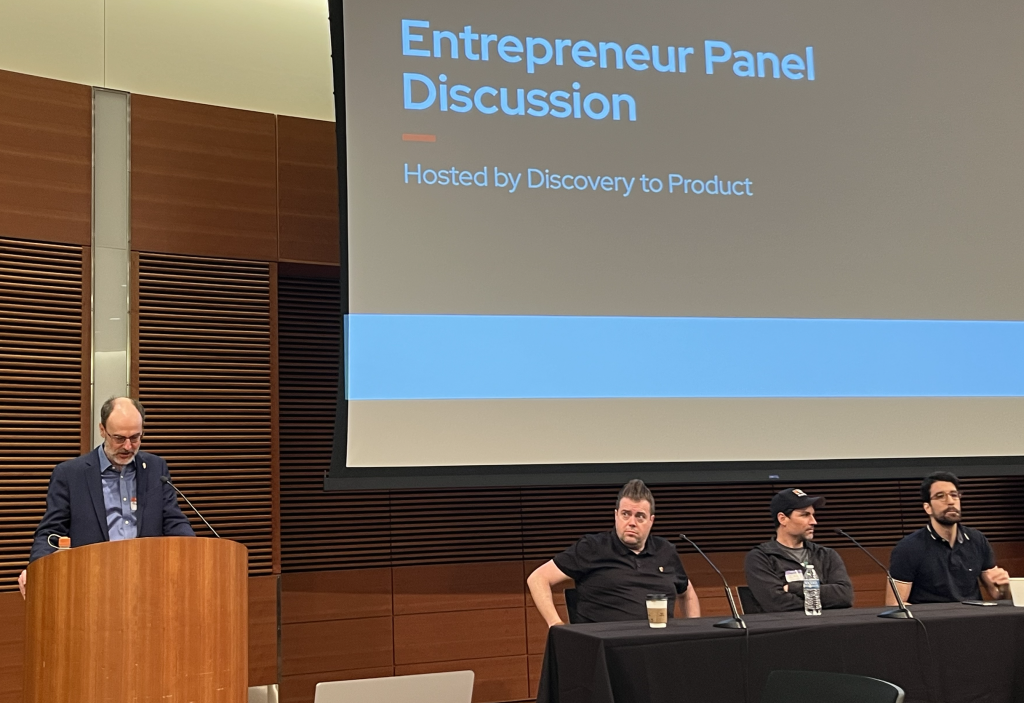
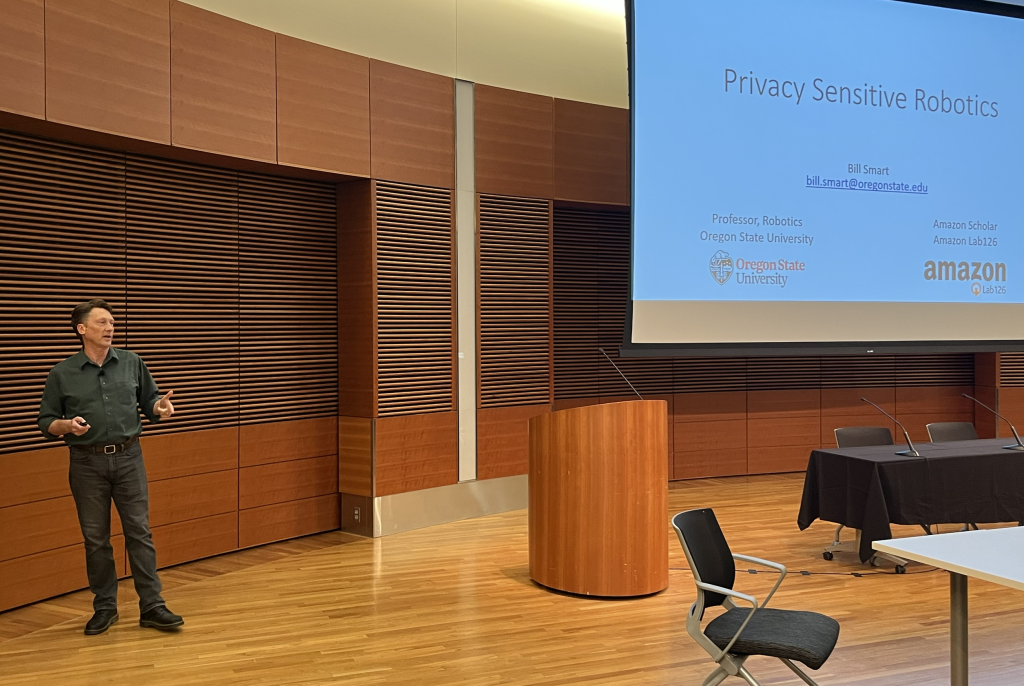
2025 Symposium Highlights